

A typical weekday in an Indian nuclear family can be surprisingly busy.
Both parents may be at work. A child returns from school in the afternoon. A grocery delivery arrives around the same time. The house help comes in during the day. Grandparents may visit occasionally. Everyone follows a different schedule, yet all of them need access to the same home.
In many households, managing access still revolves around a physical key. Someone keeps a spare key with a neighbor. A child carries a key in a school bag. One family member waits outside because another forgot to leave the key behind.
These situations are so common that many people simply accept them as part of daily life.
But modern family life no longer revolves around a single house key.
As homes become more connected and family routines become more dynamic, many households are looking for simpler and more flexible ways to manage access. That is where smart locks are becoming increasingly relevant.
Why Traditional Keys Are Becoming Less Practical
Traditional locks have served homes well for decades, but the way families live today is very different from how they lived even fifteen years ago.
A physical key works best when everyone follows a predictable routine. Modern households rarely do.
Keys get misplaced. They get forgotten inside the house. Duplicate keys need to be made for family members. Children often carry keys while travelling between school and home. Spare keys may be left with relatives, neighbors, or trusted friends.
None of these situations are major problems individually. However, together they create small inconveniences that add up over time.
Parents may worry about whether a child has remembered the house key. Someone returning home late may discover the key was left behind. A visitor may need access while nobody is available to hand over a key.
The issue is not that traditional keys are unsafe. The issue is that they are often inconvenient for the way modern nuclear families function.
What Makes a Smart Lock Useful for a Nuclear Family
The appeal of a smart lock is not that it replaces security. It simply gives families more ways to access their homes.
Fingerprint Access
Fingerprint access is one of the most convenient features of a smart lock.
Parents can unlock the door without searching for keys after a long day. Children do not need to carry a key everywhere they go. Elderly family members often find fingerprint access easier than managing small keys.
Because fingerprints are unique to each user, they also provide a simple and personal access method.
PIN Access
PIN codes are useful in situations where fingerprints may not be practical.
A family member who forgets their key can still enter the home using a secure code. Trusted relatives visiting for a few days can be given access without needing a physical key.
PIN access provides flexibility while keeping control in the hands of the homeowner.
Mobile App Control
Many smart locks can be managed through a smartphone app.
This becomes useful when parents are at work and need to monitor access. It can also help when the family is travelling and wants visibility into who enters or exits the home.
Rather than relying on phone calls and key exchanges, access can often be managed digitally.
Temporary Access
There are situations where access is needed only for a short period.
Guests may visit for a few hours. Housekeeping staff may require entry during specific times. Service professionals may need access while repairs are being carried out.
Temporary access options help homeowners handle these situations without permanently sharing keys.
Everyday Situations Where Smart Locks Help
The value of a smart lock becomes easier to understand when viewed through everyday experiences.
Children Returning from School
Many school-going children return home before their parents.
Traditionally, this means carrying a key, waiting for someone to arrive, or relying on a neighbor.
A smart lock allows children to enter the home without worrying about misplaced keys or lockouts.
Working Couples with Different Schedules
In many households, both adults work and rarely return home at the same time.
One partner may arrive home several hours later than the other. Access should not depend on who reaches home first.
Smart locks simplify entry for everyone while reducing the need to coordinate keys.
Domestic Help Access
Many Indian homes depend on regular domestic help.
Managing access through physical keys is not always practical. Controlled access options allow entry to be managed more efficiently while reducing the need for key sharing.
Delivery Management
Online shopping has become part of daily life.
Whether it is groceries, medicines, or household essentials, deliveries arrive throughout the day. Access management has become more important than ever in modern homes.
Elderly Parents Visiting
Parents and relatives often visit for a few days or weeks.
A smart lock can make access easier without requiring additional keys to be created and distributed.
Frequent Travelers
Families who travel regularly often worry about managing access while away.
Whether it is a relative checking on the house or someone watering plants, temporary access options can simplify arrangements considerably.
Features That Matter Most for Indian Families
Not all smart lock features are equally important.
The best smart lock for an Indian family is often the one that performs everyday tasks reliably.
Fast Fingerprint Recognition
A fingerprint scanner should work quickly and accurately.
Nobody wants to stand outside repeatedly trying to unlock the door.
Multiple Access Methods
A combination of fingerprint, PIN, app control, and key backup offers greater flexibility.
Different family members may prefer different access methods.
Emergency Key Backup
Technology is helpful, but a backup option remains important.
A physical emergency key provides additional reassurance.
Long Battery Life
Battery performance affects everyday convenience.
A lock that requires constant charging can become frustrating.
Mobile Notifications
Notifications can help homeowners stay informed about access activity.
This can be particularly useful when children arrive home or when guests are expected.
Strong Door Compatibility
Indian homes use different door designs and thicknesses.
A lock should fit properly and work well with the existing door setup.
Reliable Installation Support
Even a good lock can underperform if installed incorrectly.
Professional installation and service support make a significant difference.
Are Smart Locks Safe for Families?
Many homeowners naturally have questions before switching from traditional locks.
What if the Battery Dies?
Most quality smart locks provide battery alerts well in advance. They also include backup entry methods for emergencies.
What if There Is a Power Cut?
Smart locks typically operate on batteries, so power cuts generally do not affect their basic functionality.
Can Fingerprints Be Copied?
Modern biometric systems use encrypted fingerprint data rather than storing simple images of fingerprints.
What if the App Is Compromised?
Like any connected system, security depends on responsible usage. Strong passwords and proper account management help protect access.
What Happens if the Internet Is Down?
Many smart locks continue to support local access methods such as fingerprints and PIN codes even without internet connectivity.
The goal is not to depend entirely on technology. It is to create multiple secure ways to access the home.
Choosing the Best Smart Lock for Your Family’s Lifestyle
Different families have different priorities.
Family with School-going Children
Convenience and reliable access become especially important when children regularly return home before adults.
Working Professionals
Families with busy schedules often benefit from flexible access methods and remote management capabilities.
Families with Elderly Parents
Simple unlocking methods such as fingerprint access can improve convenience significantly.
Frequent Travelers
Remote monitoring and temporary access options can provide additional peace of mind.
Apartment Residents
Shared living environments often involve visitors, deliveries, and domestic staff. Smart locks can make access management more organized.
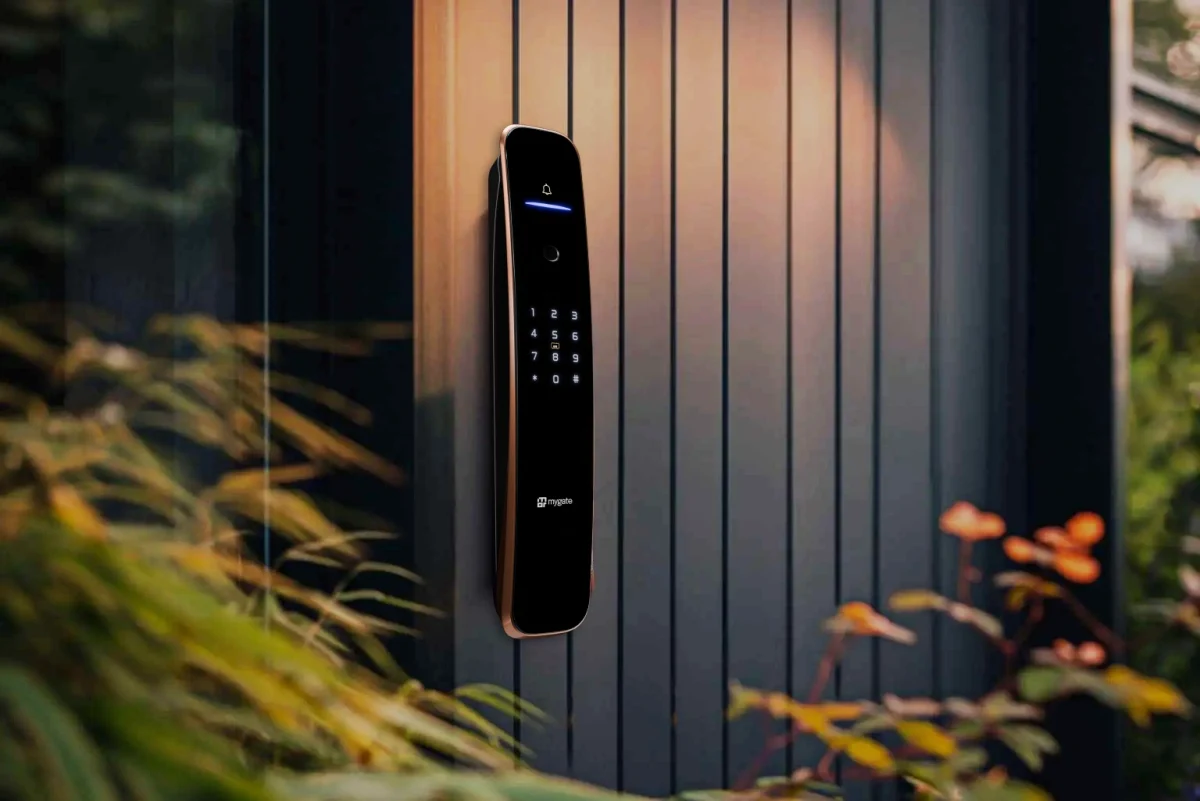
Where Mygate Smart Locks Fit In
The best smart lock is not simply the one with the longest list of features. It is the one that fits naturally into the way a family lives.
Mygate Smart Locks are designed with this everyday reality in mind.
Indian families rarely follow a fixed schedule. Parents, children, relatives, domestic help, and guests all interact with the home differently. Managing access requires flexibility rather than a one-size-fits-all approach.
This is where Mygate Smart Locks become relevant.
They support multiple users within the same household, making it easier for family members to access the home in ways that suit their routines. Temporary access options help when guests or service professionals need entry. For apartment residents, the experience aligns naturally with the realities of modern community living.
What makes the approach particularly relevant is the understanding that access management is not only about opening a door. It is about helping families coordinate daily life with fewer interruptions and less dependence on physical keys.
Whether someone lives in a gated community, an apartment complex, or an independent home, the goal remains the same: secure access that works around the family’s routine rather than forcing the family to work around the lock.
Smart Lock Buying Checklist for Nuclear Families
Before making a purchase, consider the following checklist:
✔ Fingerprint access
✔ PIN access
✔ Mobile app control
✔ Emergency key backup
✔ Low battery alerts
✔ Compatibility with your door
✔ Professional installation support
✔ Warranty and after-sales service
A practical and reliable lock will usually outperform one that simply offers a long list of features.
When a Smart Lock May Not Be Necessary
A smart lock is useful for many households, but it is not essential for everyone.
For example:
- A single occupant home with very limited access-sharing needs
- A secondary property that is rarely used
- Homes where traditional key management is already simple and effective
A smart lock should solve a problem, not create one.
The decision should be based on lifestyle and convenience rather than trends.
Closing Thought
The best smart lock for an Indian nuclear family is not necessarily the one with the longest feature list.
It is the one that makes everyday life easier.
That could mean helping a child get home safely after school. It could mean allowing a family member access while you are at work. It could mean giving temporary entry to a guest without needing to hand over a physical key.
Ultimately, a good smart lock removes friction from daily life while keeping access simple, secure, and convenient.
For many modern Indian families, that practical balance is exactly what makes a smart lock worth considering.