

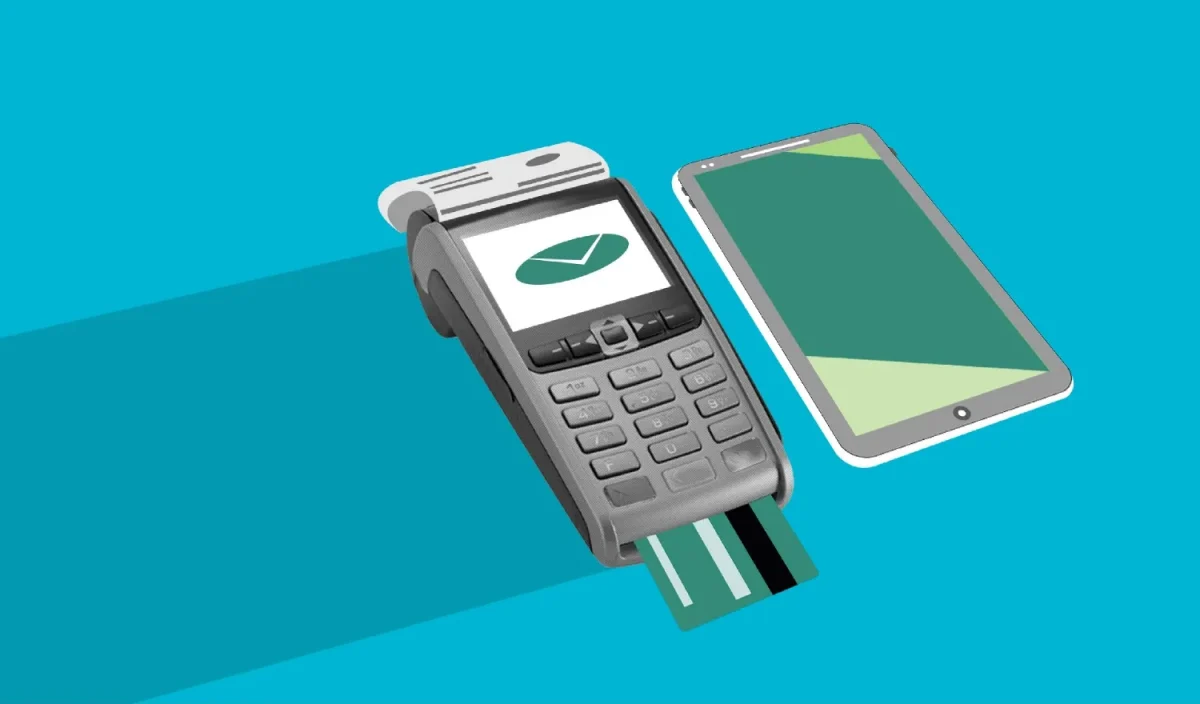
Most housing societies in India still collect maintenance through cash or cheque. A clerk logs entries in a register. The accountant matches payments against bank statements at month-end. Errors pile up. Residents wait for receipts. Defaulters go unnoticed until the audit.
Digital payments with auto-reconciliation turn this chaotic process into a smooth, automated workflow. Residents pay online. The system matches payments instantly. Ledgers update without manual entry. Committees see real-time cash flow.
This article explains how digital payments and auto-reconciliation work in society accounting software, why they matter for Indian RWAs, and what features to look for when choosing a platform.
What Is auto reconciliation in society accounting
Auto-reconciliation is the automatic matching of incoming payments with resident bills in the accounting system. When a resident pays maintenance via UPI, card, or net banking, the software receives payment data from the gateway and matches it to the correct invoice without human intervention.
Traditional reconciliation requires an accountant to compare bank statements against payment registers manually. This takes hours for societies with hundreds of units and creates room for human error.
Auto-reconciliation eliminates that work. The system does it in seconds.
How digital payments work in society software
Here is the flow in a modern society ERP platform like Mygate:
- Bill generation – System creates monthly maintenance invoices automatically
- Payment link sent – Resident receives SMS or email with payment link via Razorpay, UPI, or gateway
- Online payment – Resident pays using UPI, credit card, debit card, or net banking
- Gateway callback – Payment gateway sends success confirmation to the software
- Auto-matching – Software matches payment amount, date, and resident ID to the invoice
- Receipt generated – Instant digital receipt sent to resident
- Ledger updated – Accounting book updates automatically with payment entry
The entire process happens without a clerk touching a register.
The manual reconciliation problem
| Step | Manual Method | Pain Points |
| Payment collection | Cash/cheque logged in register | Missing entries, wrong amounts |
| Bank statement download | Monthly PDF from bank | Delayed, hard to track |
| Matching payments | Accountant compares register vs statement | Takes hours, error-prone |
| Receipt generation | Hand-written or printed manually | Delays, no digital copy |
| Ledger update | Manual entry in accounting book | Accumulates mistakes over time |
For a 200-unit society, manual reconciliation can take 2-3 days every month. Errors range from duplicate entries to missed payments. Audit becomes stressful.
Benefits of digital payments + auto-reconciliation
1. Error Elimination
Auto-reconciliation matches payments using exact transaction IDs and resident IDs. No manual input means no typing mistakes or forgotten entries.
2. Time Savings
What took days now takes minutes. One person can handle reconciliation for hundreds of units in a single click.
3. Real-Time Cash Flow Visibility
Committees see exactly which units have paid and which are overdue at any moment. No waiting for month-end summaries.
4. Instant Receipts
Residents get digital receipts immediately after payment. No need to visit the society office or wait for physical copies.
5. Faster Collections
Online payment options remove friction. Residents pay via UPI anytime, reducing overdue amounts.
6. Audit-Ready Records
Every transaction has a timestamp, transaction ID, and payment gateway confirmation. Auditors can verify entries instantly without manual cross-checking.
7. Reduced Defaulters
Auto-reminders for non-payments plus instant visibility of overdue units help committees act quickly on chronic defaulters.
8. Environmental Benefit
Eliminating paper receipts and registers reduces waste.
Key features to look for
When evaluating society accounting software, check for these digital payment and reconciliation features:
| Feature | Why It Matters |
| UPI integration | Most Indians use UPI for daily payments |
| Razorpay/Payment gateway | Secure online payment processing |
| Auto-receipt generation | Instant digital proof of payment |
| Auto-matching transactions | No manual entry needed |
| Real-time ledger updates | Always current financial data |
| Defaulter SMS/WhatsApp alerts | Automated follow-ups |
| Bank statement export | For external audit verification |
| GST-compliant invoices | Tax compliance support |
| Vendor payment module | Tracks society expenses too |
Mygate comprehensive society management software with online payments, auto-reconciliation, and audit-ready features.
Real impact on society operations
Societies using digital payments report measurable improvements:
- Collection time reduced – Average days outstanding drops from 30+ to under 10
- Fewer disputes – Digital receipts with transaction IDs prevent payment confusion
- Lower admin costs – One person handles billing for hundreds of units vs multiple clerks
- Higher resident satisfaction – Pay anytime without office visits
In Bengaluru and Mumbai, where housing societies face strict audit norms under cooperative society laws, auto-reconciliation makes compliance straightforward.
Common questions
Do all residents accept online payments?
Yes. UPI is now standard across India. Residents as young as 60 use apps like Google Pay, PhonePe, and Paytm daily.
What if the payment gateway fails?
Reliable platforms like Razorpay have 99.9% uptime. Failed transactions show as pending and can be retried instantly.
Is it secure?
Payment gateways use PCI-DSS encryption. Transaction data never touches the society office manually.
Can small societies afford it?
Many vendors offer tiered pricing based on unit count. Even 50-unit societies benefit from automation.
Does auto-reconciliation work for partial payments?
Yes. The system flags partial payments and updates the due amount automatically.
How to start using digital payments
- Choose software – Compare features like UPI, auto-reconciliation, and GST invoices
- Register payment gateway – Most platforms integrate Razorpay or similar out of the box
- Configure charge heads – Set maintenance rates, parking, utilities in the system
- Send first digital bill – Test with a few units before full rollout
- Train residents – Share payment link via SMS/email with app instructions
- Go full scale – Switch all units after successful pilot
Most vendors provide setup support for Indian housing societies.
The bottom line
Digital payments with auto-reconciliation are essential for modern housing societies in India. Manual collection wastes time, creates errors, and frustrates residents. Automation saves energy, eliminates mistakes, speeds up collections, and builds trust.
The technology is mature, affordable, and built for Indian RWAs. UPI, Razorpay, and auto-reconciliation remove the friction from society accounting.
For housing societies in Bengaluru and across India, the question is no longer whether to use digital payments. The question is how quickly they can eliminate manual processes.