

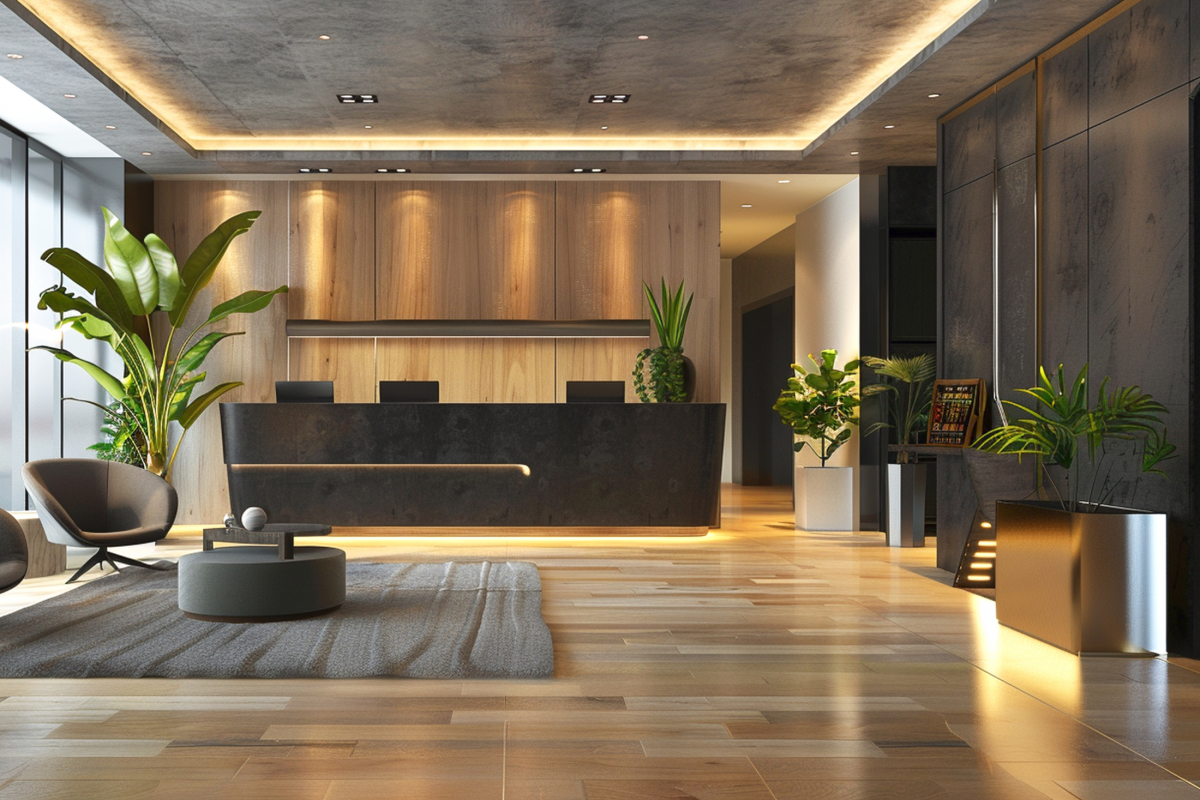
Interior designing is no longer about making a space look stylish. Today, it is also about making spaces sustainable and energy-efficient that cause no harm to the environment. With rising pollution levels, climatic change, and growing health concerns, sustainability has slowly moved from being a “nice idea” to becoming a core part of interior design industry. But what exactly are sustainable interiors? Why do they matter now more than ever?
Well, in scientific terms, sustainable interiors refer to spaces that are planned, built, and operated in a way that reduces environmental harm. This can be done through smarter use of resources, safer materials, and designs that last longer. And if you are wondering what makes sustainability central today? It affects not just the planet but also how we live, work, and feel inside our spaces.
Let’s understand what actually includes in sustainable interior design and why it’s important.
Material Choice
Material choice always plays a pivotal role in sustainable interior design. Earlier, people used to choose materials mostly on the basis of their aesthetic appeal and cost. Now, designers are increasingly focusing on the environmental and health impact as well. So, they are opting for low VOC paints, which are used to reduce harmful air emissions.
Further, FSC certified wood ensures that forests are responsibly managed. Recycled metal and glass, natural fabrics like wool and linen, and fast-growing materials like bamboo are becoming more common.
In cities like Delhi NCR, where environmental challenges are serious, many interior projects now start with eco friendly material planning as a priority and not an afterthought.
Energy & Water Efficiency
Energy efficiency is one of the strongest reasons sustainability has become central to interior design industry in India. LED lighting, smart automation for lighting and HVAC systems, occupancy sensors, and high-efficiency appliances are now standard in many modern homes and office spaces. These systems cut down electricity use without changing how comfortable the space feels.
In addition to this, water efficiency is also a key focus. Low flow fixtures, water saving taps, and dual flush toilet systems help reduce water usage every single day. These may seem like small changes, but over time they save large amounts of water and reduce pressure on natural resources.
Indoor Air Quality
Indoor air quality is now also directly linked to sustainable interiors. Designers are focusing on providing proper ventilation in the space, reducing off-gassing from adhesives and laminates, and even incorporating air purification systems for better air quality. This creates healthier spaces, which has become the need of the hour, especially in those cities that are facing high pollution levels like Delhi, Noida and Gurgaon.
Several interior design companies in Delhi NCR are already focusing on the critical aspect of improving indoor air quality while designing and building spaces to cope with the rising environmental problems.
Waste Reduction
Earlier, interior projects used to create a lot of waste. But today, waste reduction is a key goal. That’s why many interior designers are using modular furniture that lasts longer, choosing recycled materials, and planning designs that allow easy repair and reuse. Construction waste is also managed better during the interior fit outs.
Lifecycle Thinking
Instead of choosing items only for quick installation or lower upfront cost, designers now ask deeper questions. Where did this material come from? How much energy was used to make it? How long will it last? For example, a wardrobe made from poor quality boards might look fine at first but may need replacement within a few years. On the other hand, a well made unit using durable wood or eco certified boards can last for decades with simple maintenance. This reduces the need for frequent replacements, saves money over time, and cuts down on waste.Products with long warranties and easy repair options should be chosen over items that become unusable after small damage.
Human Wellbeing
Sustainability today is deeply connected with overall human wellbeing. Natural light, biophilic elements like plants and natural textures, peaceful acoustics, and ergonomic furniture all play a role. These features reduce stress, improve focus, and create more comfortable living and working environments. It is one of the main reasons businesses now invest in sustainable office interiors.
Certifications that guide sustainable interiors
Global and Indian certifications have helped bring structure and clarity to sustainable interior design.Standards like LEED, WELL, IGBC, BREEAM, and GRIHA guide designing firms in material selection, energy efficiency, water use, waste management, and occupant health. These certifications ensure that sustainability is not just a marketing term but is supported by real performance and measurable impact.
Why sustainable interior designs are no longer optional?
In short, sustainable interiors are spaces designed with scientific thinking so that materials, energy systems, water use, and environmental controls work responsibly and efficiently while still delivering the aesthetic appeal and functionality of the space. What was once felt like an extra feature has now become a basic expectation.
As climatic conditions are deteriorating and people becoming more aware of how indoor spaces affect health and the environment, sustainability has naturally moved to the center of interior design. It is shaping how homes are built, how offices function, and how future spaces will be created.